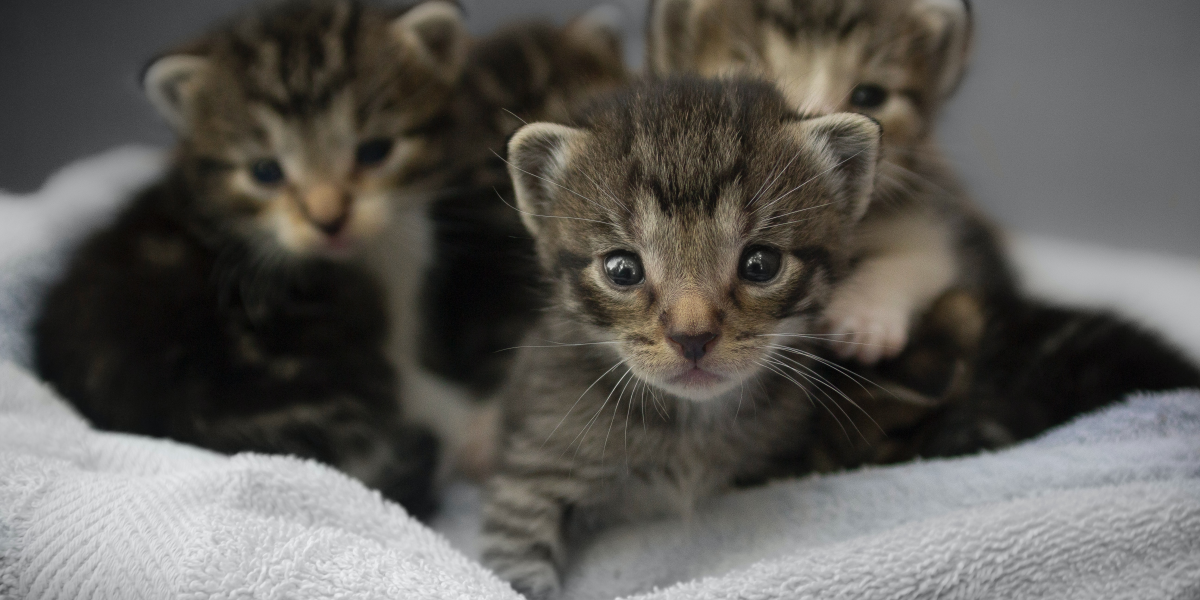
While feral adult cats often garner more attention, feral kittens are equally deserving of care and compassion.
These young, wild cats can be socialized and adopted into loving homes with patience and dedication.
In this blog, we’ll explore the world of feral kittens and how individuals and communities can make a difference in their lives.
Feral Kittens: The Start of Their Journey
Feral kittens are born to feral mothers in outdoor settings. Initially, they may be timid and fearful of humans, as they inherit their mother’s wariness. However, young kittens have a window of opportunity for socialization that begins to close around 8 to 12 weeks of age.
The Importance of Early Socialization
Socialization is the process of teaching kittens to trust and interact with humans. The earlier this process begins, the better chance kittens have of becoming adoptable pets. It requires patience, gentleness, and a safe, controlled environment.
Foster Care: A Lifesaving Solution
Fostering is a crucial step in socializing feral kittens. Dedicated individuals or organizations take on the responsibility of providing a nurturing home for these kittens, gradually introducing them to human contact and teaching them essential social skills.
The Role of Community Support
Communities can play a significant role in helping feral kittens. Reporting litters to local animal shelters or rescue organizations can ensure that kittens receive the care they need. Additionally, communities can support foster caregivers through donations of supplies, volunteer assistance, and spreading awareness.
Adoption Opportunities
Feral kittens, once socialized, can make wonderful pets. They are often grateful for the care they receive and bond deeply with their adoptive families. By adopting a formerly feral kitten, individuals can provide a loving forever home and experience the joy of transformation.
Spaying and Neutering
To prevent the cycle from continuing, it’s crucial to spay and neuter feral cat colonies, which includes both adults and kittens once they reach an appropriate age. This helps control the feral cat population and reduce the number of kittens born into the wild.