
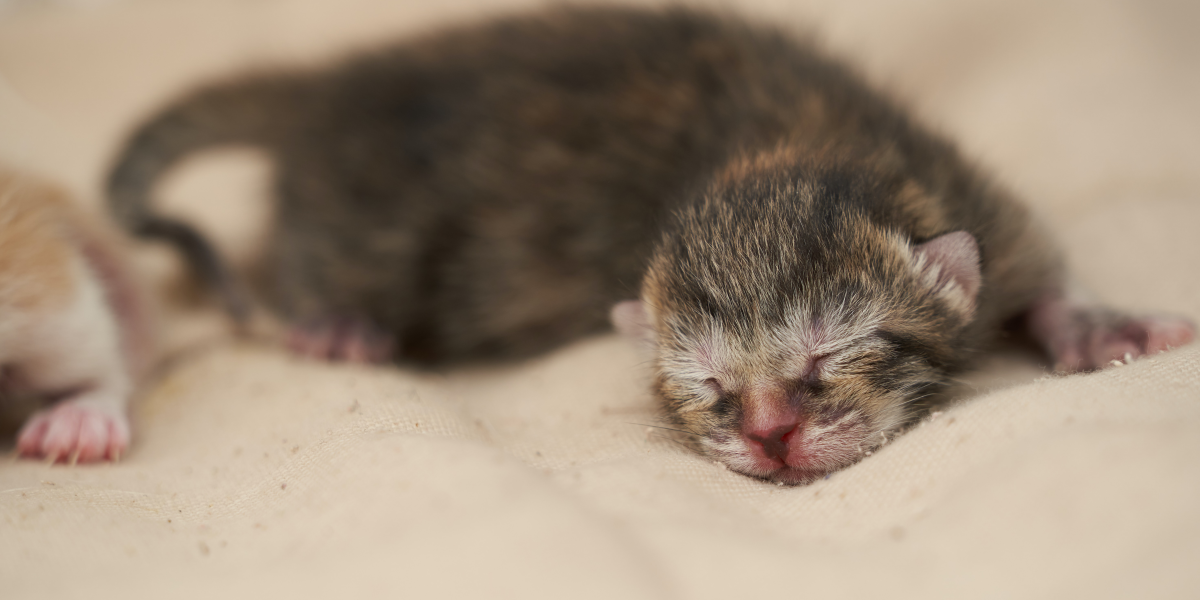
Discovering a litter of abandoned feral kittens can be both heartwarming and challenging. These vulnerable little ones depend on compassionate caregivers to provide them with the nutrition and care they need to thrive.
In this blog, we’ll take you through the steps of feeding and caring for abandoned feral kittens,
ensuring they have the best chance at a healthy and happy life.
Step 1: Gather Your Supplies
Before you embark on the journey of caring for abandoned feral kittens, gather the essential supplies:
- Kitten formula: Invest in high-quality, commercially available kitten milk replacement formula, as cow’s milk won’t suffice.
- Nursing bottles or syringes: Ensure you have the right tools for feeding.
- Heating pad or warm water bottle: To maintain a warm environment during feedings.
- Small feeding dishes: These will come in handy when transitioning to solid food.
- Clean towels or blankets: Create a cozy nest for the kittens to snuggle in.
Step 2: Assess Their Age
The age of the kittens dictates their dietary requirements:
- Newborns (0-2 weeks): At this stage, kittens need round-the-clock bottle feeding with formula every 2-3 hours, including during the night.
- 2-4 weeks: Begin introducing wet kitten food mixed with formula, gradually reducing the formula ratio as they adjust to solid food.
- 4-8 weeks: Kittens can primarily eat wet or canned kitten food. Initially, soften it with formula or water.
Step 3: Prepare the Formula
Follow the instructions on the kitten milk replacement formula packaging to prepare it. Ensure the formula is slightly warm but not hot. Test it on your wrist to confirm it’s at a comfortable temperature for the kittens.
Step 4: Feeding Time
Hold the kittens gently but securely, either cradling them in your hand or using a soft towel to provide stability. Insert the nipple of the bottle or syringe into their mouths, allowing them to suckle. Some kittens may need a bit of patience to get the hang of it.
For very young kittens, after feeding, gently stimulate their anal and genital areas with a warm, damp cotton ball to facilitate urination and defecation, mimicking their mother’s actions.
Step 5: Establish a Feeding Schedule
Younger kittens require more frequent feedings.
Here’s a general guideline:
- Newborns: Every 2-3 hours, day and night.
- 2-4 weeks: Adjust to every 3-4 hours.
- 4-8 weeks: Feed them 4-6 times a day.
Step 6: Gradual Transition to Solid Food
As the kittens grow, introduce wet kitten food mixed with formula. You can encourage them to explore solid food by placing a small amount on your fingertip and allowing them to lick it off.
Step 7: Provide Water
Once the kittens are comfortable with solid food, offer them a shallow dish of fresh water to promote hydration.
Step 8: Seek Veterinary Care
Schedule a veterinary check-up for the kittens, especially if they were abandoned. This visit will ensure their health and guide you on vaccination and de-worming needs.
Step 9: Socialize and Show Affection
While feeding, spend quality time with the kittens to socialize them. Handle them gently and speak to them softly to build trust and create a strong bond.