In the hidden corners of our communities, feral and stray cat colonies quietly exist,
forming complex societies governed by their unique social dynamics.
These cats, often misunderstood and overlooked, have forged remarkable bonds
and developed sophisticated ways of coexisting within their colonies.
In this blog, we’ll embark on a journey into the intriguing world of feral and stray cat colonies
and explore the intricacies of their social behavior.
Defining Feral and Stray Cat Colonies
Before we dive into their social dynamics, let’s clarify what we mean by feral and stray cats:
Feral Cats: Feral cats are born in the wild or abandoned at a young age, having little to no contact with humans. They are often wary of people and tend to form colonies in areas with access to food and shelter.
Stray Cats: Stray cats may have had previous contact with humans but are now living independently. They may join feral cat colonies for companionship and resources.
Hierarchy and Dominance
One of the most striking aspects of feral and stray cat colonies is the emergence of a social hierarchy. Dominance is determined by a combination of factors such as age, size, and experience. Dominant cats typically enjoy preferential access to food, shelter, and prime resting spots within the colony.
Cooperation and Alliances
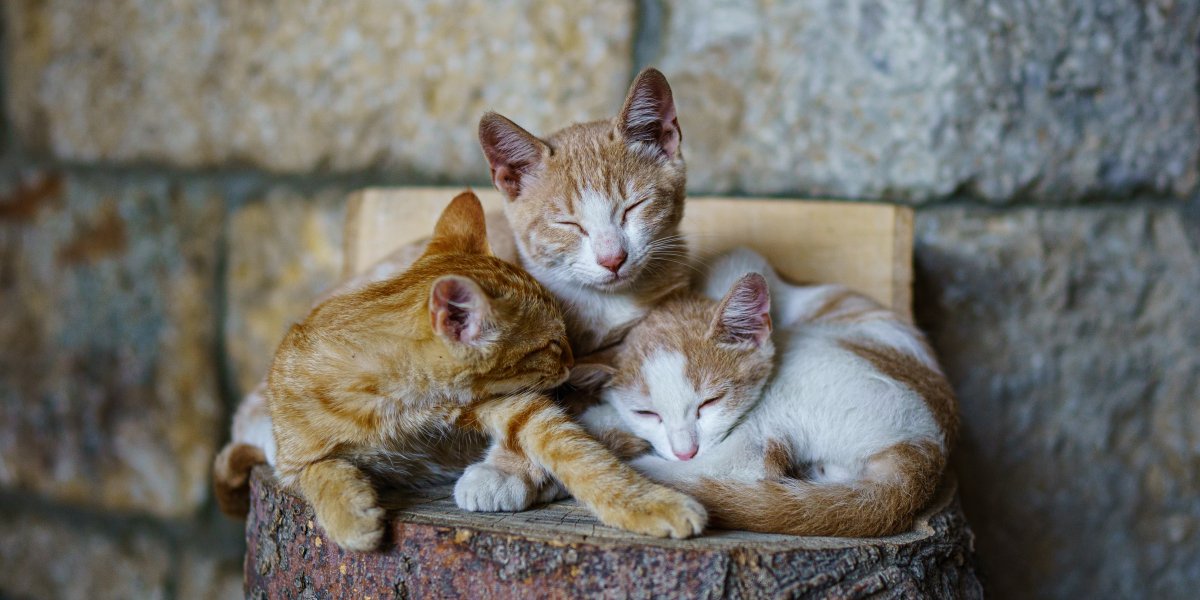
Despite dominance disputes, these colonies also showcase instances of cooperation and alliances. Cats form bonds based on mutual benefits, such as sharing warmth during cold nights, assisting in grooming, or even hunting as a group.
Communication
Cats within colonies communicate through a complex language of vocalizations, body cues, and scent-marking. They establish territorial boundaries, signal readiness to mate, and convey their emotional states to one another through these communication channels.
Reproduction and Kittens
Kittens are a common sight within feral and stray cat colonies. The responsibility of raising kittens is usually shared among several female cats, a behavior known as “auntie” behavior. This cooperative effort ensures the survival and well-being of the youngest members of the colony.
Conflict Resolution
Disputes within these colonies do occur, but the cats have developed non-violent methods of conflict resolution. These may include posturing, vocalizations, or temporary separations until tensions subside, minimizing harm.
Evolution of Colonies
Feral and stray cat colonies are not static entities. They evolve based on various factors, including resource availability, social dynamics, human intervention, and external threats. Cats may migrate to areas with more resources, and newcomers can alter the colony’s social structure.
Human Involvement
Many feral and stray cat colonies coexist with human communities. Here are some ways humans can interact with and support these colonies:
- Caregivers: Compassionate individuals known as colony caregivers provide essential care, including feeding, shelter maintenance, and health monitoring, ensuring the well-being of colony cats.
- TNR Programs: Trap-Neuter-Return (TNR) programs help control feral cat populations humanely. Cats are trapped, spayed/neutered, vaccinated, and returned to their colonies, preventing further breeding while maintaining social bonds.
- Advocacy: Advocates raise awareness about these colonies, promote understanding, and work to garner support and resources for colony management.
- Education: Educating the public about responsible pet ownership and the importance of spaying/neutering can help reduce the number of cats that end up in feral situations.
- Adoption: Friendly stray cats or kittens from colonies can sometimes be socialized and adopted into loving homes, providing them with a chance to live as cherished pets.