
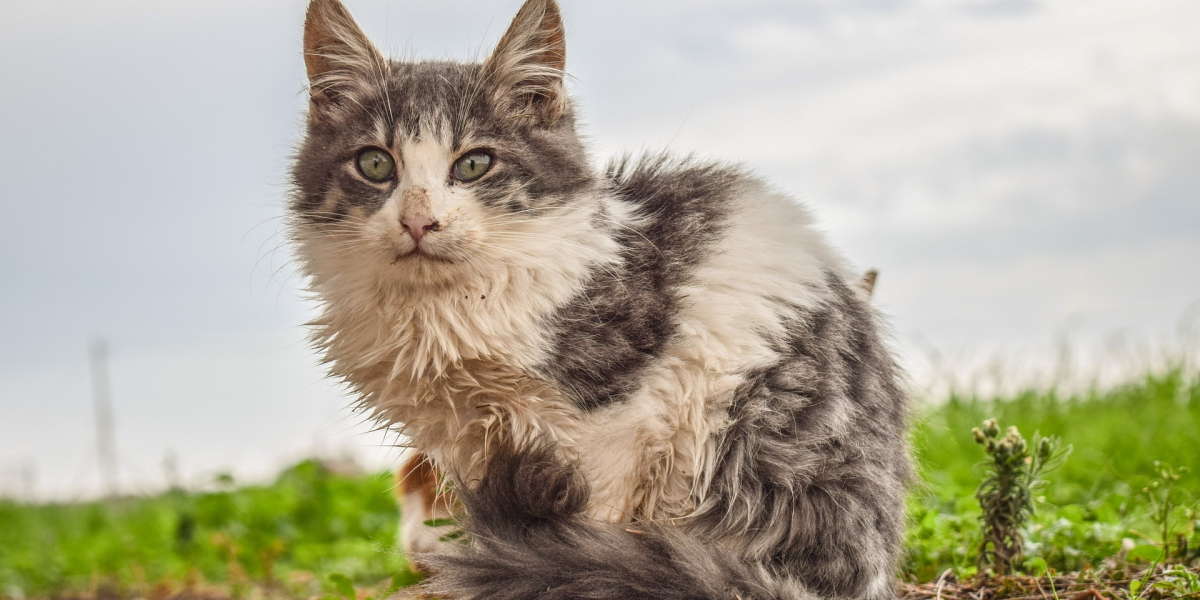
Wild and homeless felines, frequently misinterpreted and neglected, constitute a distinctive and significant
component of both our city and countryside environments.
These self-reliant feline beings have acclimated to a wild existence, confronting a range of trials and possibilities.
Within this blog, we will delve into the realm of wild and homeless cats, illuminating their existence and the difficulties they confront.
What Are Feral Cats?
Feral cats are domestic cats that have reverted to a wild state. Unlike stray cats, which may have once had human owners, feral cats have had limited or no human socialization. As a result, they tend to be wary of humans and prefer to live independently.
What Are Stray Cats?
Stray cats are domestic cats that have become separated from their owners or have been abandoned and are living independently, often in outdoor environments.
Unlike feral cats, stray cats may possess prior socialization experiences with humans, and their friendliness toward people can vary. Efforts to assist stray cats frequently revolve around reuniting them with their owners, seeking new adoptive homes, or offering temporary care until a suitable solution is determined. With appropriate care and socialization, stray cats may have the potential to transition into indoor pets.
The Challenges Feral & Stray Cats Face
Life as a wild and homeless cat can be tough. They must fend for themselves, finding food, shelter, and safety on their own. Some of the challenges they encounter include:
- Food Scarcity: These cats often rely on hunting and scavenging for food, which can be inconsistent.
- Harsh Weather: Exposure to extreme weather conditions can take a toll on their health.
- Predators: Feral and stray cats face threats from other animals, including larger predators like coyotes.
- Disease: Lack of veterinary care and exposure to other cats can lead to health issues.
Why TNR Matters
TNR stands for Trap Neuter Return, a humane method of managing feral and stray cat populations. This practice involves trapping feral and stray cats, spaying or neutering them, and then returning them to their outdoor homes. TNR helps reduce the number of feral and stray cats while improving their overall well-being.
Community Involvement
Feral and stray cat colonies often exist in communities, and it’s essential for residents to work together to support these cats. Providing food, shelter, and even monitoring their health can make a significant difference.
Adopting Feral & Stray Cats
While some may not be suitable as traditional pets due to their independent nature, they can still be socialized and adopted.
These cats can become loving companions if given the time and patience needed for their adjustment.